
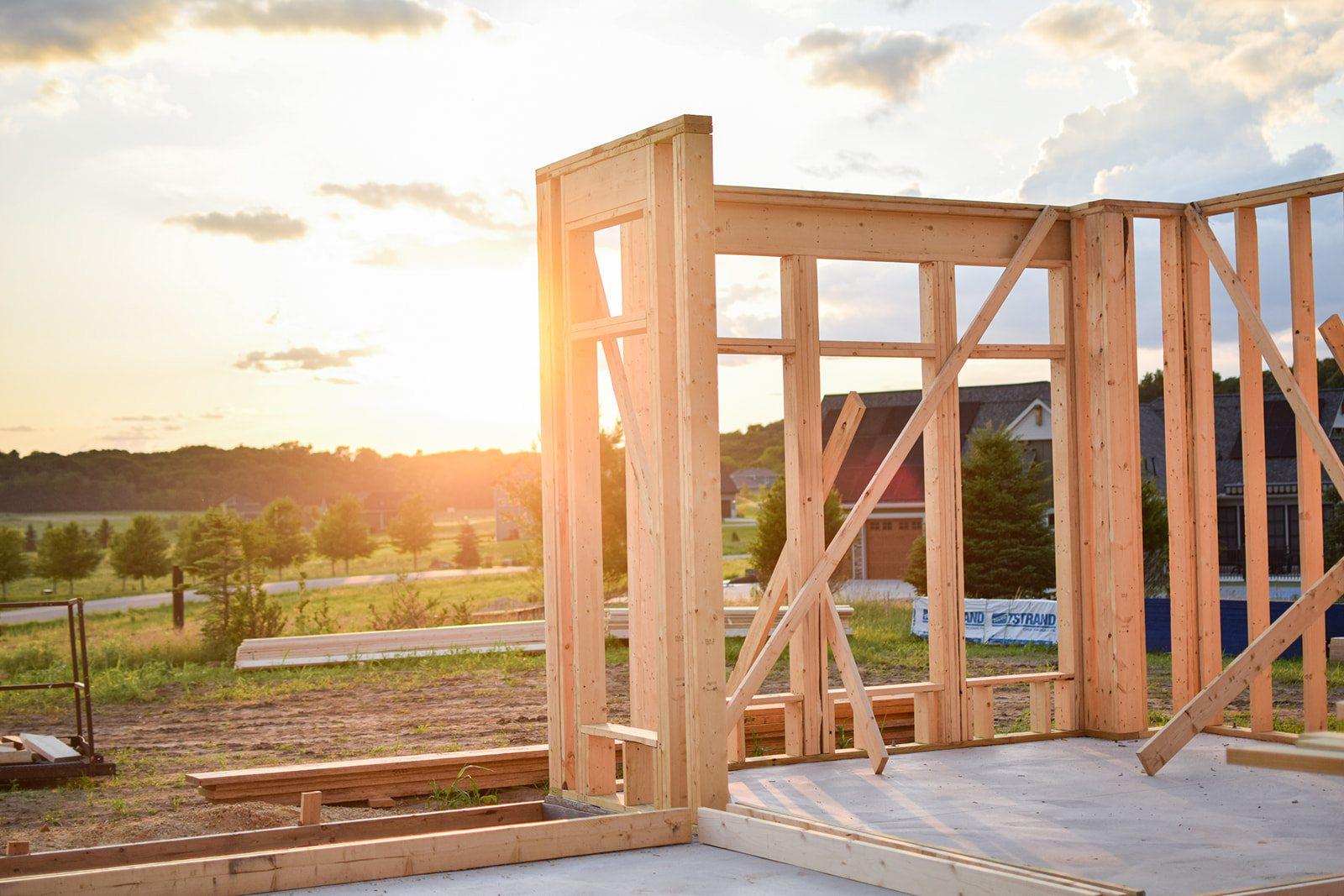
One loan, two phases
A construction-to-permanent loan covers the build and then becomes your mortgage. There's one application and one closing. During construction, it works like a line of credit for the build. When the house is finished, it converts to a regular mortgage without a second closing. It's also called a one-time close or single-close loan.
Draws: how the money reaches the builder
The lender doesn't release the full amount up front. Money goes out in draws as stages of the house are finished, like the foundation, the framing, and the mechanical work. Before each draw, the lender usually sends an inspector to confirm the work is done. That protects you as much as the lender, because you're only paying for work that's actually in place.
What you pay while it's being built
During construction, you usually pay interest only on the money drawn so far. Early in the build, that's a small amount, and it grows as the house goes up. Once the loan converts, you start paying principal and interest like any other mortgage.
How the appraisal works
The lender appraises the home before it exists, based on the plans, the specifications, and the lot. That's one reason the plans and the budget need to be detailed before you apply. A loose budget makes the appraisal harder and can slow the loan down.
If you already own the lot
If your lot is paid off, its value can usually count toward the down payment. If you still owe money on the lot, that loan typically gets paid off and rolled into the construction loan. Lenders ask for the deed or the lot loan statement early, so have it ready.
If you still need to buy the lot
Some lenders will finance the lot and the build in one loan. Others want you to buy the lot first, with cash or a separate lot loan, and roll it into the construction loan later. Ask a lender which way they do it before you make an offer on land.
What lenders usually want to see
- Plans and specifications for the house
- A detailed budget from the builder, including the site work
- A signed contract with a licensed builder
- Your income, assets, and credit, the same as any mortgage
- Proof of the lot, either the deed or a purchase agreement
Questions to ask a lender
- Is this one closing or two?
- How many draws are there, and who inspects before each one?
- Is the rate locked during construction, and for how long?
- What happens if the build runs longer than planned?
- Can my lot's value count toward the down payment?
Talk to someone who does these every week.
We work with lenders who handle construction loans all the time, and we can connect you with one. Tell us about your lot or your plans, and Lori will call you back.
Related pages
More guides