
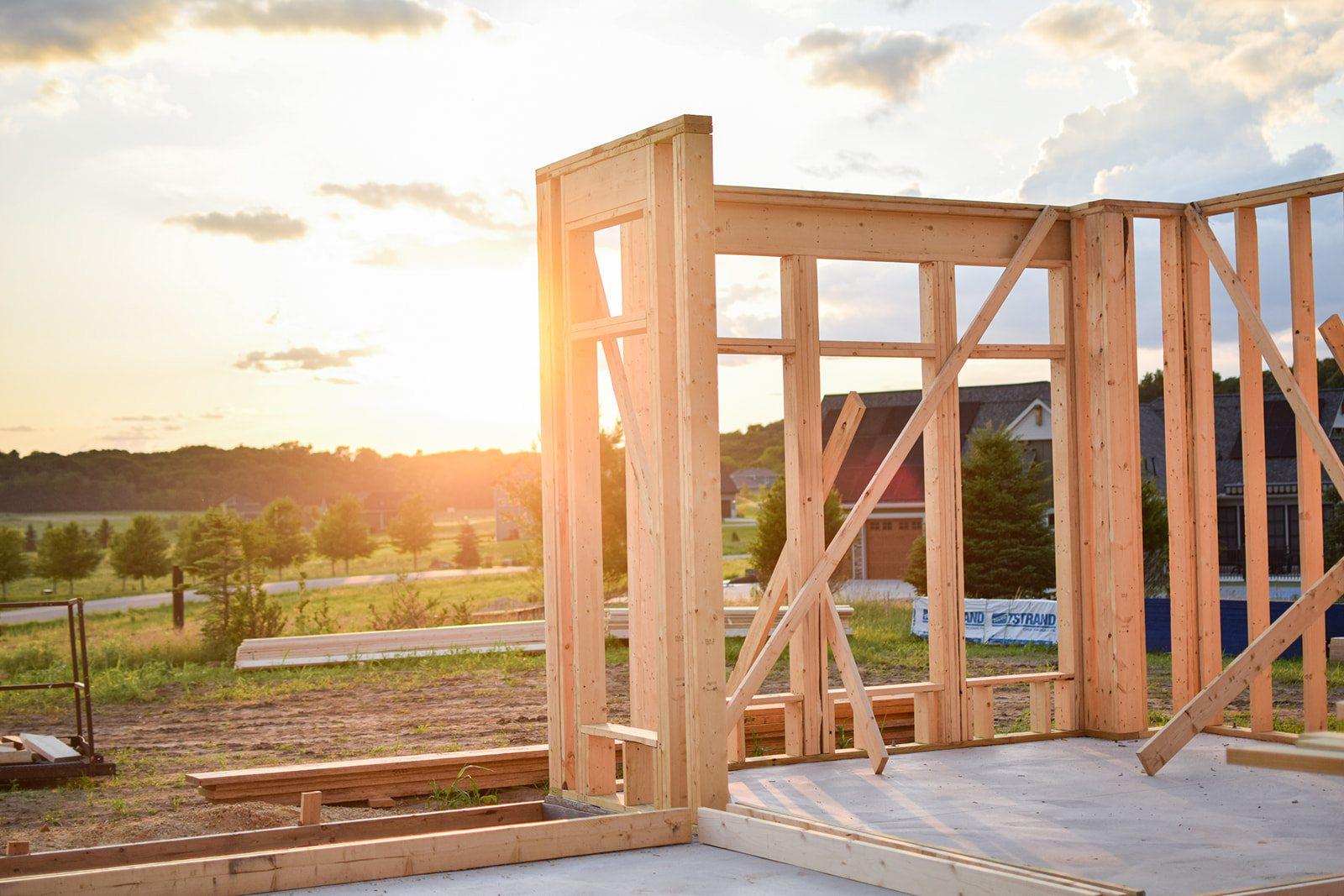
A custom home, on the lot you already own.
Most people who own land think their only choice is a plan from a builder's catalog. You can still build a home designed for your lot. Heritage does that across the Twin Cities metro, and you make the decisions about what goes in it.
Five steps from the lot you own to the home you'll live in.
Most of the decisions that matter happen in the first few months, before anything is built. That's also when budgets usually drift, because changes look small on paper. We price each one as it comes up, so you know what the home costs before construction starts. The build itself takes about ten to twelve months.
- 01
Lot evaluation
2-3 weeks
We walk the lot with you before anyone draws anything. We look at the slope, where the trees are, and which way the house should face for light and views. You don't need to know what you want yet. That walk usually answers a lot of questions.
- 02
Soil, perc, setback
3-4 weeks
Next come soil borings, a percolation test if the lot needs a septic system, and a survey to confirm setbacks and easements. Those results tell us where the house can go and what the site work will cost. We'd rather you hear about a problem now than after the design is done.
- 03
Design for the lot
6-8 weeks
The floor plan, the exterior, and the site plan get designed together, for your lot. You see drawings every week. We ask a lot of questions in this stage, and you make the calls. It's your house.
- 04
Permitting
4-8 weeks (varies)
We submit for the building permit, plus septic and well permits if the lot needs them. How long it takes depends on the city and how busy its review queue is. We handle the paperwork and keep you posted on where it stands.
- 05
Build
10-12 months
Construction runs from excavation through the final finishes. We're on site every week, and you get a written update every week. The same person runs your build from groundwork to move-in.
The questions lot owners ask us first.
What if my lot needs septic and well?
Most rural lots out here do. We bring in the well driller and the septic designer early, so their requirements are part of the site plan from the start. Both are priced into the build before you sign anything. If there's already a well, we have it checked before we plan around it.
What if the lot has slope or grading challenges?
A lot of the best lots out here have slope. It can work in your favor, for a walkout lower level or better views, as long as the drainage is planned for it. We price the grading during evaluation instead of using a general allowance, so it doesn't surprise you later.
What about easements and setbacks?
The survey, usually in week three or four, shows exactly where the house can go. If an easement or setback gets in the way of what you had in mind, we'll know early enough to redesign. If the lot can't fit the home you want, we'll tell you that straight.
What if the lot has an HOA or design review?
Some neighborhoods do. We read the covenants and the review board's past decisions during evaluation, design within them, and submit for you. Knowing what the board has turned down before saves a round of revisions.
What about an existing structure that needs to come down?
We price the demolition into the build and time it so you're not paying for a vacant lot longer than you need to. If the old foundation or driveway might be reusable, we check whether reusing it saves money before assuming it does.
How financing works when you already own the lot.
Most people building on their own lot use a construction-to-permanent loan. There's one closing, and the loan turns into a regular mortgage when the house is done. During construction, you only pay interest on what's been drawn, which keeps the monthly cost down while you build.
If your lot is paid off, its value can usually count toward the down payment. That makes a big difference, and it's one of the first things a lender will ask about. If you still owe on the lot, that loan typically gets rolled into the construction loan.
We can connect you with lenders who do construction loans all the time. They know how draw schedules work and how to appraise a house that isn't built yet. The first call with them is just to ask questions.
The first Heritage build, week by week.
Oakridge is our first home, on five wooded acres in Afton. It's a single-level house, built slab-on-grade with a safe room. We document it stage by stage so you can see how we build, including the parts that end up behind the walls.
Stucco
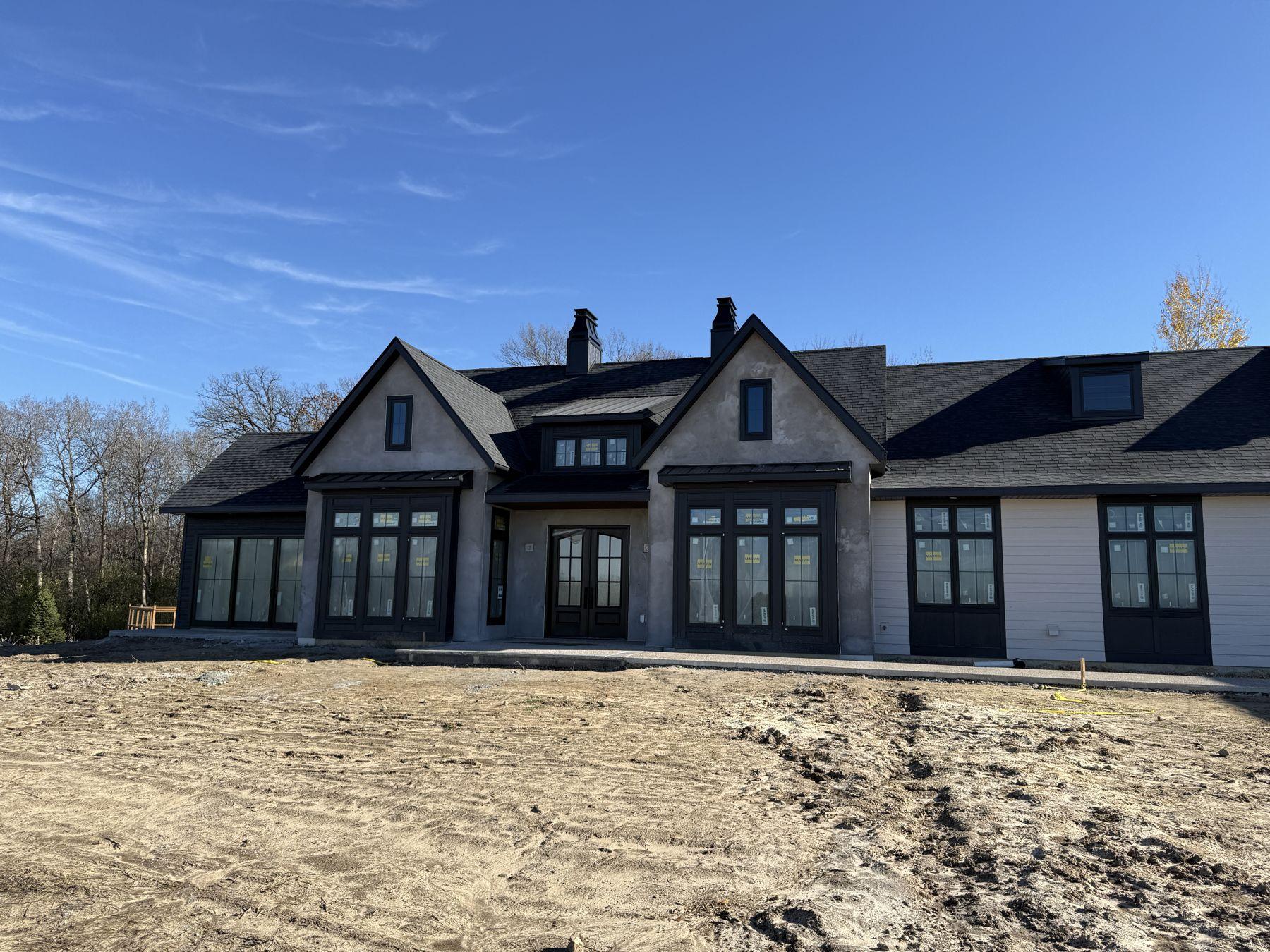
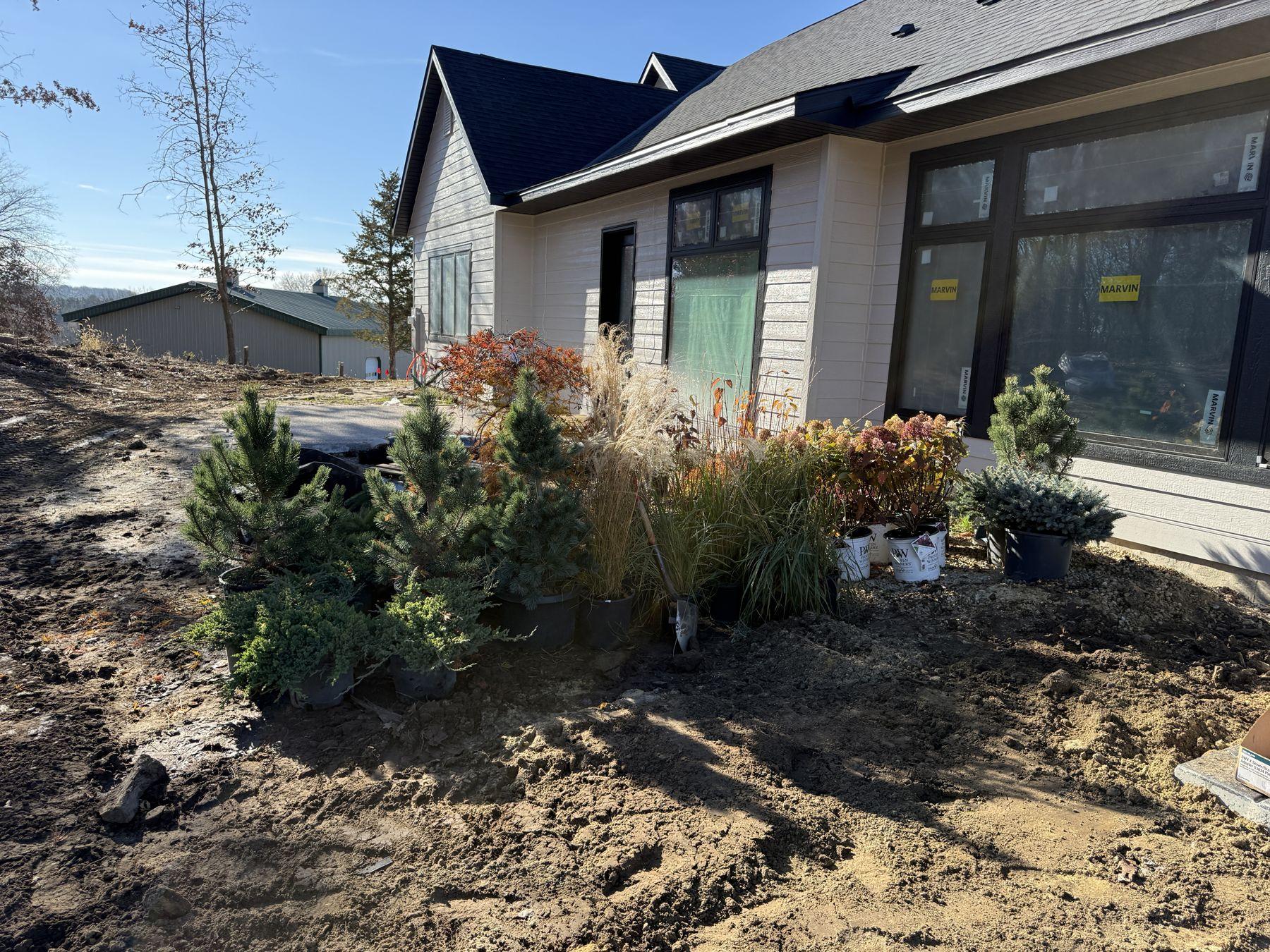
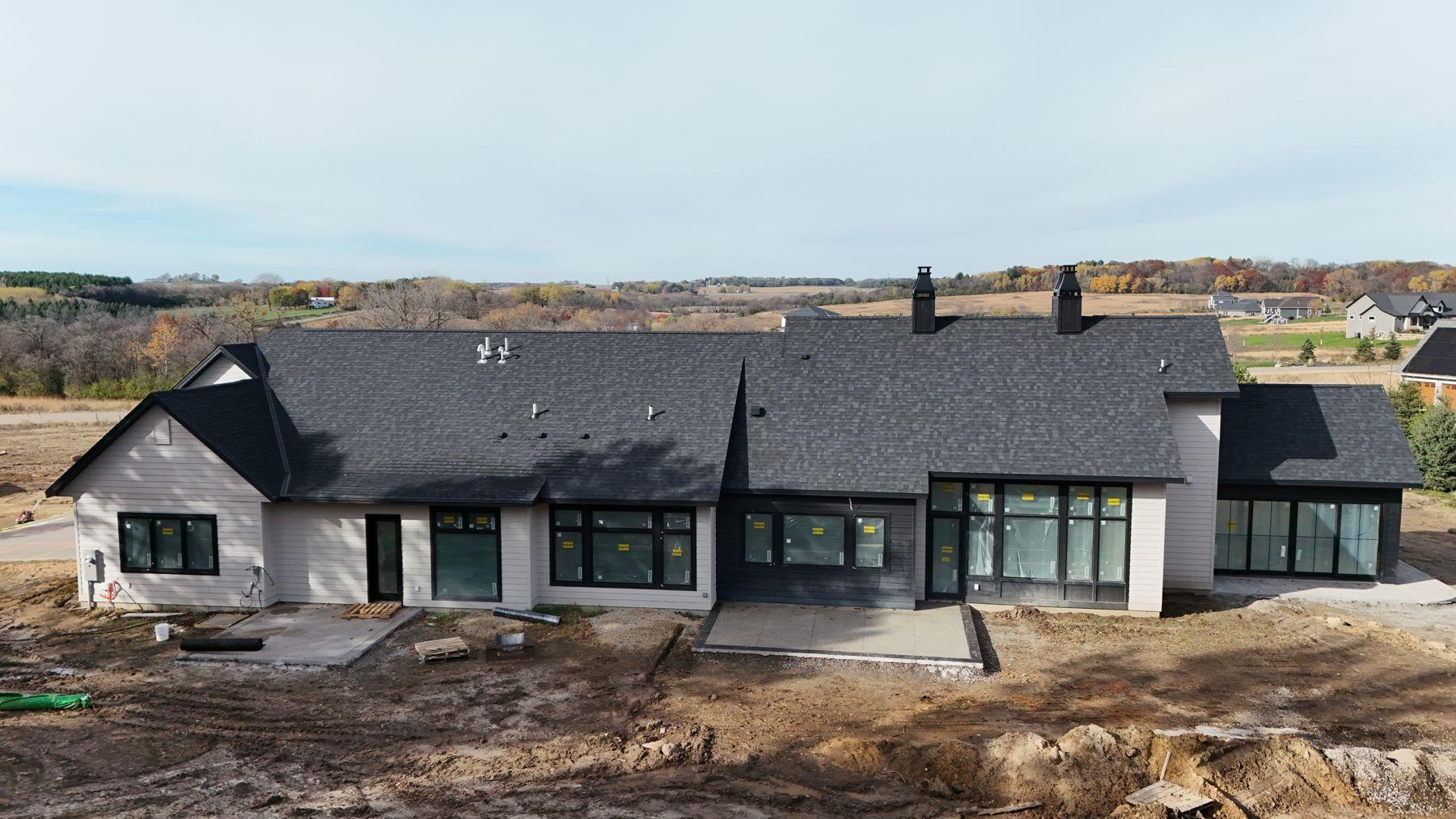
The first coat of stucco on the front of the house is finished, and the scaffolding is finally down. The final coat will wait until spring to have the best results and finish off this incredible house.
Tell us about the lot and the home you're picturing.
Tell us where your lot is and what you have in mind. We'll call you back, ask a lot of questions, and walk you through what building on your lot involves. You don't need plans or a budget figured out first. Or call (651) 383-1710.